About Us
Aboriginal and Torres Strait Islander people are advised that this page contains the names of people who have passed away.
Our Pioneers. Our Community, Our Health Service.
Pika Wiya's history has been brought together through the stories and memories of Aboriginal community members. The experiences of those involved in establishing and developing the service and historical records that document its early beginnings.
These stories recognise the Aboriginal women and men whose knowledge, determination and commitment to caring for community helped shape Pika Wiya Health Service.
At the heart of Pika Wiya's history is Aboriginal people caring for one another.
Through the 1960s and into the early 1970s, Aboriginal families in Davenport Community and Port Augusta were already looking after one another and pushing for better access to health care.
There was no Aboriginal health service like Pika Wiya available close to community. Formal clinic-based health care was also new for many families, while racism, discrimination, language differences and a lack of cultural understanding created real barriers when Aboriginal people tried to access mainstream health services in Port Augusta.
Community knew what was needed.
People knew their families, their old people, their languages and their community. They knew who was sick, who needed help and where people were living.
That knowledge, care and determination laid the foundations for what would become Pika Wiya Health Service.

Aboriginal Healing Knowledge Was Already Here
Before formal clinics and mainstream medical services, Aboriginal people already had their own systems of healing and caring for community.
Aboriginal healers held knowledge passed down through generations, and families used bush medicines, traditional remedies and cultural healing practices to care for people.
That knowledge remained part of community life as clinic-based health care began to develop.
The knowledge was already here.
The Sandhills Story

One of the most important stories in Pika Wiya’s history comes from the early 1970s.
A group of Aboriginal women in Port Augusta heard about a very sick Aboriginal man lying in the sandhills. One of the women was a nurse and they went out to find him and help him.
As they became aware of other Aboriginal people suffering from illness and injury without receiving the care they needed, they knew something had to change.
They believed Aboriginal people in Port Augusta needed a health service of their own.
That moment became part of a much larger movement for Aboriginal health care in the region.
Davenport Community at the Heart of the Story
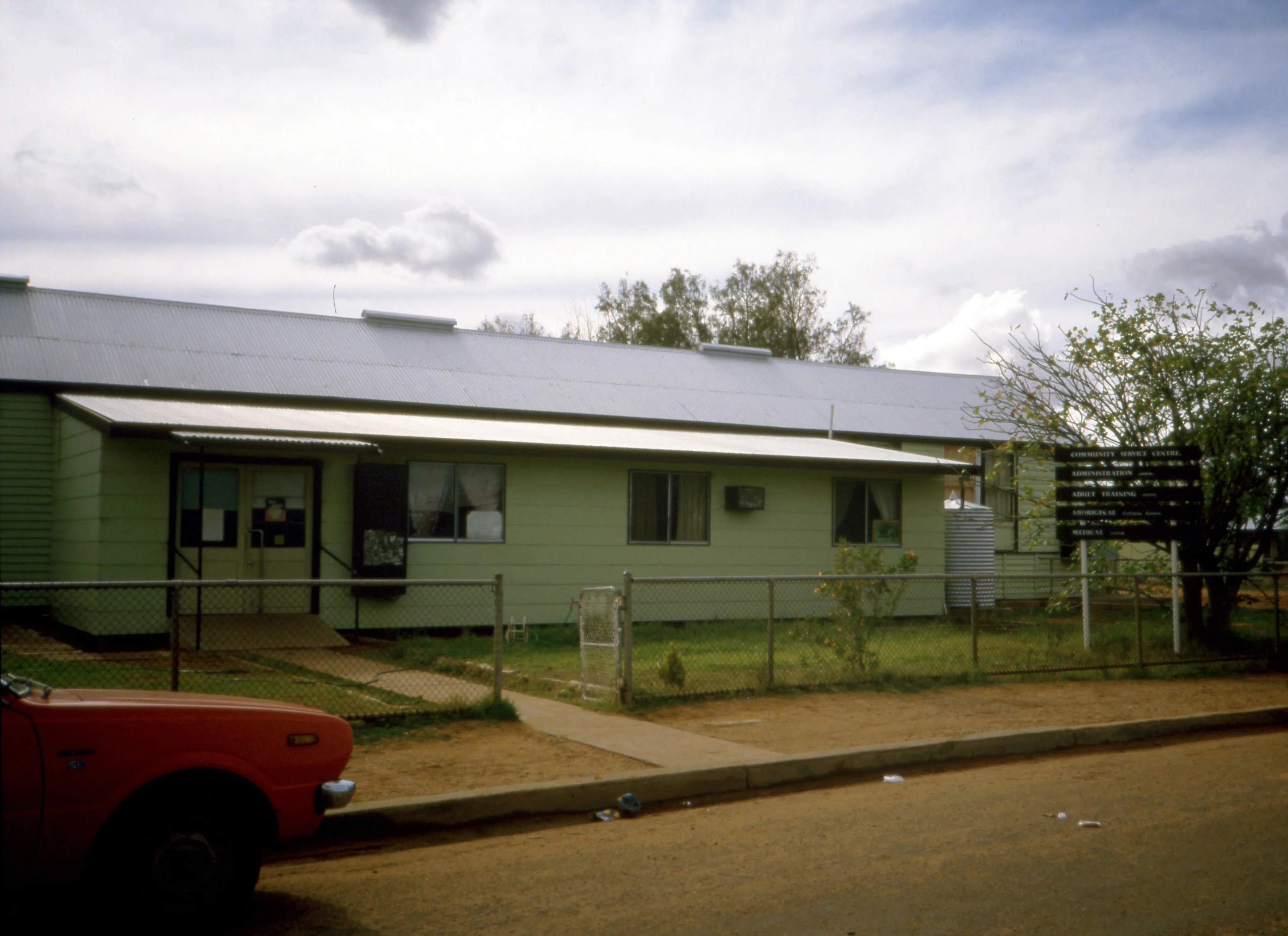
Davenport Community holds a central place in the history of Pika Wiya.
The old Davenport Community clinic became an important place where Aboriginal people could receive health care closer to family, culture and community.
People who remember the early clinic recall workers preparing and organising medicines together for Aboriginal patients, helping people receive the medication they needed and understand their treatment.
The clinic gave Aboriginal people another way to access health care in a place where community relationships, language and cultural understanding were part of how people were supported.
Davenport Community played a central role in the early development of what would later become Pika Wiya Health Service.
Language, Culture and Trust
Language and culture were a vital part of the early service.
For some older Aboriginal people, English was not their strongest language. Aboriginal health workers helped patients communicate with doctors and nurses and explained treatment and medication in ways people could understand.
Fluent language speakers and Aboriginal health workers supported older people living around Davenport Community and the Port Augusta sandhills, helping bridge communication between families and health professionals.
They supported Aboriginal patients in the hospital helping with language, culture, communication and understanding between families, doctors and nurses.
Their role went beyond interpreting words. They understood family relationships, culture and how people communicated, helping Aboriginal patients feel supported while also helping health professionals better understand the people they were caring for.
The Letter to Geneva
When government support for an Aboriginal health service was not forthcoming, the Aboriginal women who were advocating for better health care for their community did not give up.
Determined to find another way forward, they wrote directly to the World Council of Churches in Geneva, Switzerland, seeking assistance.
Their request was heard, and funding from the World Council of Churches helped the developing Aboriginal Medical Service in Port Augusta move forward, laying important foundations for what would later become Pika Wiya Health Service.
The Redfern Connection
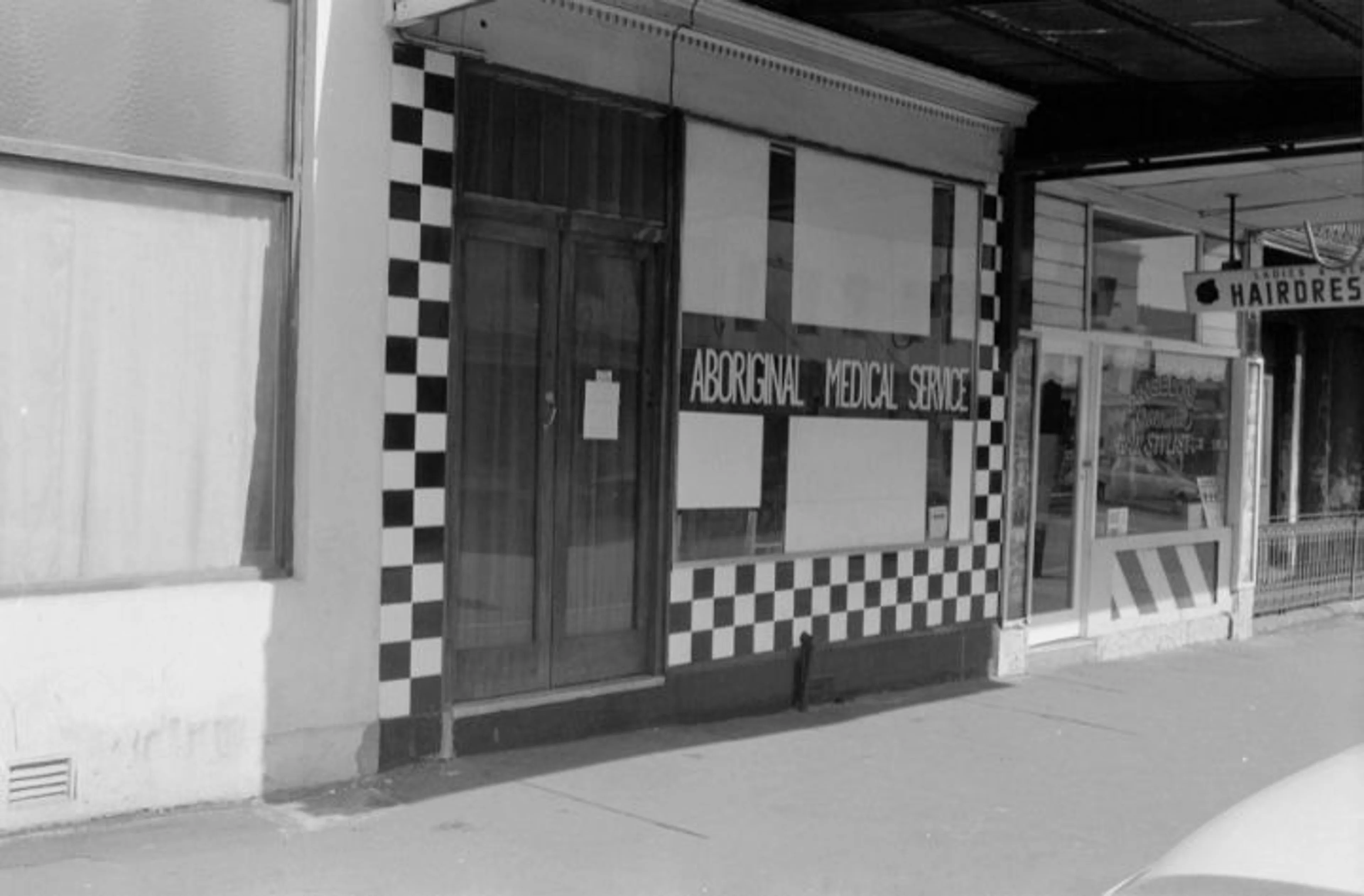
The developing Aboriginal Medical Service in Port Augusta also received support from the Aboriginal Medical Service in Redfern, New South Wales.
Recognising the need for better health care for Aboriginal people in their community, Janet Coulthard and the late Veronica Milera travelled to Sydney to advocate for support from the Aboriginal Medical Service in Redfern.
Through this connection, a visiting doctor travelled from Redfern to provide medical care at Davenport Community.
Resources were extremely limited. The doctor sometimes slept on the clinic floor, and bandages were washed and reused so the service could continue providing care to Aboriginal families.
The support from Redfern strengthened the efforts already being led by Aboriginal people in Port Augusta and Davenport Community, helping build the foundations of what would later become Pika Wiya Health Service.
The Fred Hollows Eye Health Program – 1976
In 1976, the National Trachoma and Eye Health Program, led by Professor Fred Hollows, brought important eye health screenings to Aboriginal communities in Port Augusta and Davenport Community.
On 25 May 1976, a meeting was held at the Community Affairs Panel office in Port Augusta to organise the first eye clinic. The late Brian Butler, Chairperson of the Community Affairs Panel at the time, supported the initiative by making staff available to assist.
The late Veronica Milera, the late Lance Coulthard, Aboriginal health staff and other community members played important roles in helping Aboriginal people access eye screenings and care.
The program also reached Davenport Community, bringing eye health checks and treatment closer to Aboriginal families.
The Fred Hollows eye health program was an important part of the growing Aboriginal health movement in Port Augusta. It brought together community involvement and medical services, contributing to the early efforts that helped shape what would later become Pika Wiya Health Service.
Historical reference: Beyond Sandy Blight: Five Aboriginal Experiences as Staff on the National Trachoma and Eye Health Program (AIATSIS, 2008), Chapter 2, Trevor Buzzacott, pp. 20–21.
Our Trailblazers
Pika Wiya’s foundations were shaped by strong Aboriginal women and men whose work was practical, hands-on and deeply connected to community.
The early Aboriginal health workers went directly to the people. They travelled around Port Augusta and Davenport Community sandhills checking on people who were sick and taking health support with them.
They carried out Vitamin C, medication and soup runs in the sandhills, helped Aboriginal people get to doctors and hospitals when further treatment was needed, followed families up and checked on old people.
They supported Aboriginal patients in hospital, interpreted language, helped families understand treatment and brought cultural knowledge into the health system.
Their contributions were all different, but each played a part in the wider movement that helped Pika Wiya develop.
The late Muriel Olsson
Muriel Olsson was a pioneering Aboriginal nurse and midwife who played an important role in the early development of Aboriginal health care in Port Augusta.
Her nursing experience, knowledge of community health needs and strong connection with Aboriginal families made her an important voice in the push for better health services.
Muriel brought professional medical knowledge together with cultural understanding, helping lay the foundations for a health service that recognised the needs of Aboriginal people and their communities.
The late Rachel Brady
Rachel Brady was a dedicated Aboriginal community advocate who played an important role in the early movement for better Aboriginal health services in Port Augusta.
She recognised the difficulties Aboriginal families faced when accessing mainstream health care and was determined to see services that better understood and responded to their needs.
Rachel's advocacy and commitment to her community helped strengthen the movement towards Aboriginal-led health care and contributed to the foundations of Pika Wiya Health Service.
The late Clara Coulthard
Clara Coulthard was a respected Aboriginal community leader and a key figure in the establishment and development of Aboriginal health services in Port Augusta.
Her leadership and determination helped advance the vision of a health service that Aboriginal people could access within their own community.
Clara became the first Chairperson of Pika Wiya Health Service, providing important leadership during its early development.
Her advocacy extended beyond Port Augusta, including working to improve health services and living conditions for Aboriginal communities in the APY Lands.
Clara's contribution reflects her lifelong commitment to Aboriginal health, community leadership and self-determination.
The late Veronica Milera
Veronica Milera was a dedicated Aboriginal community advocate who played an important role in the early development of Aboriginal health care in Port Augusta.
She recognised the importance of Aboriginal people having access to health services that understood their culture, families and community needs.
Her dedication to improving health care and supporting Aboriginal families contributed to the community-led efforts that helped shape the foundations of Pika Wiya Health Service.
The late Angelina Stuart
Angelina Stuart was part of Davenport Community and among the first Aboriginal Health Worker graduates in 1983, helping pave the way for Aboriginal people entering the health workforce in South Australia.
She brought strong family connections, cultural knowledge and a deep understanding of community into her work, supporting Aboriginal patients accessing hospital and mainstream health services.
Angelina also advocated for smoke-free environments at health service sites, recognising the importance of protecting the health and wellbeing of Aboriginal people, families and workers.
Her contribution helped strengthen Aboriginal health care and the development of a workforce grounded in culture, community and care.
The late Lallie Lennon
Lallie Lennon was among the first Aboriginal Health Worker graduates in 1983, becoming part of a pioneering generation that helped strengthen Aboriginal health services in South Australia.
A fluent Aboriginal language speaker, Lallie brought valuable cultural knowledge and strong community connections to her work, helping older Aboriginal people communicate with doctors and nurses.
She played an important role in helping families understand medical treatment and medication, bridging language and cultural barriers to ensure Aboriginal patients received care with understanding and respect.
Her contribution helped strengthen the role of Aboriginal Health Workers and the importance of language and cultural knowledge in health care.
The late Olive Glink
Olive Glink was an Aboriginal Health Worker who made an important contribution to Aboriginal health care in South Australia.
She later became a Registered Nurse and worked at Pika Wiya Health Service, bringing her nursing knowledge, experience and understanding of Aboriginal community health needs into her work.
Her commitment to health care and professional development reflected the growing opportunities for Aboriginal people to take on important roles within the health workforce.
The late Marjorie Coulthard
Marjorie Coulthard is remembered among the Aboriginal women involved in the early Aboriginal health movement in Port Augusta. She was part of a generation of Aboriginal women who recognised the importance of improving access to health care and ensuring Aboriginal families and communities received the support they needed.
Her contribution forms part of the community-led efforts that helped shape the foundations of Pika Wiya Health Service.
Janet Coulthard
Janet Coulthard was among the early Aboriginal women whose dedication to community helped lay the foundations for Pika Wiya Health Service in Port Augusta.
Working alongside the late Angelina Stuart, Janet visited Aboriginal families in their homes and communities, checking on their wellbeing and helping identify their health needs. Her contribution was part of the early community-led movement that recognised the need for better access to health care and helped shape a service built around Aboriginal people, their families, culture and community.
The late Joyce Wilson
Joyce Wilson is remembered as a strong Aboriginal advocate for better health services for Aboriginal people in Port Augusta.
Her advocacy reflected the determination of Aboriginal community members who wanted health care that was accessible, culturally respectful and responsive to the needs of Aboriginal families.
She is remembered as part of the wider movement that helped build the foundations of Pika Wiya Health Service.
Julia Vnuk The late Brian Butler
Brian Butler was an important Aboriginal community organiser during the period when Aboriginal-controlled organisations and health services were developing in Port Augusta.
Building an Aboriginal Health Workforce
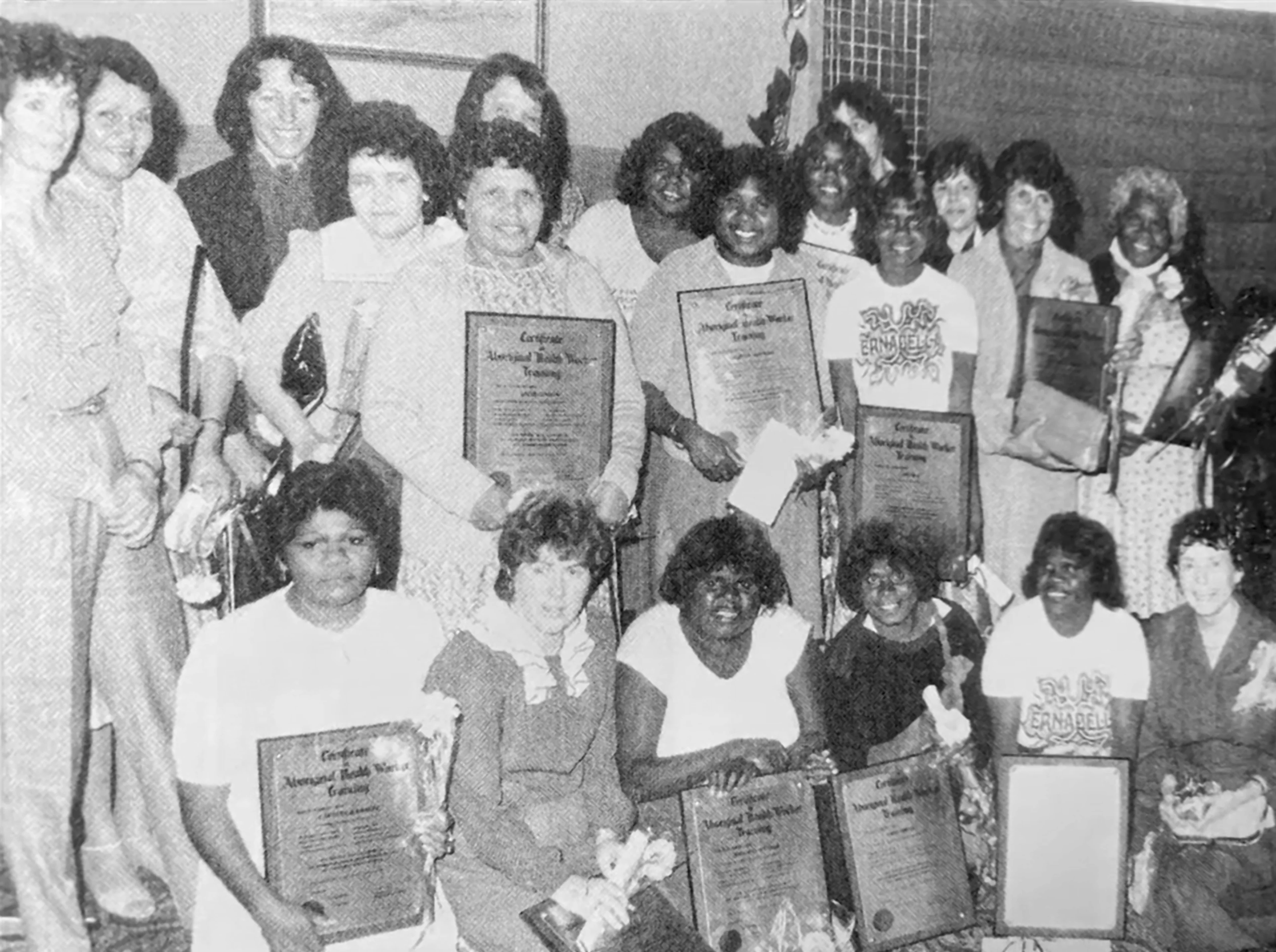
As Pika Wiya developed, Aboriginal Health Workers became central to the service, bringing together health care with language, culture, family knowledge, trust and strong community relationships.
The people who helped the service grow also included those welcoming families and supporting its everyday operations. Alison Wilson is remembered as Pika Wiya’s first receptionist, an important part of the early service and the care provided to community.
As the service continued to grow, more Aboriginal people trained and worked in health roles, strengthening the workforce and creating pathways for future generations to continue caring for community.
Becoming Pika Wiya
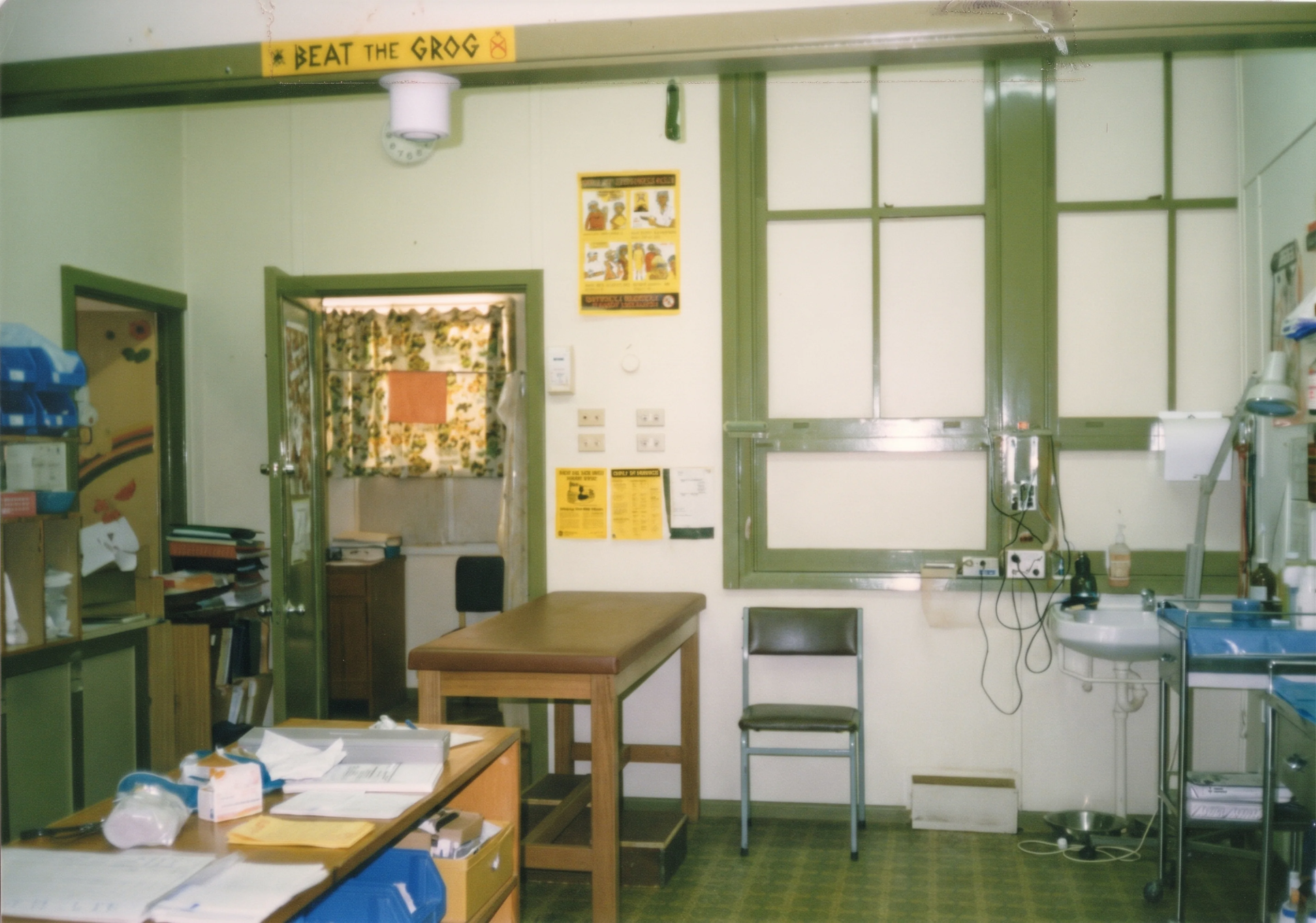
The Aboriginal Medical Service continued to grow through the 1970s and early 1980s.
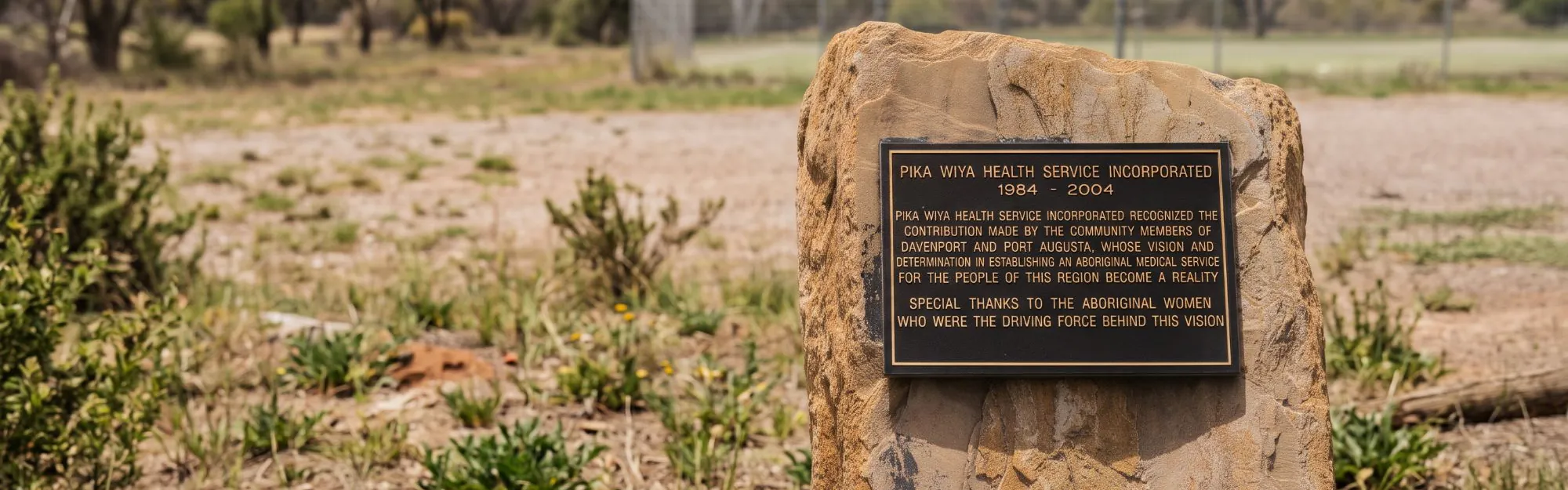
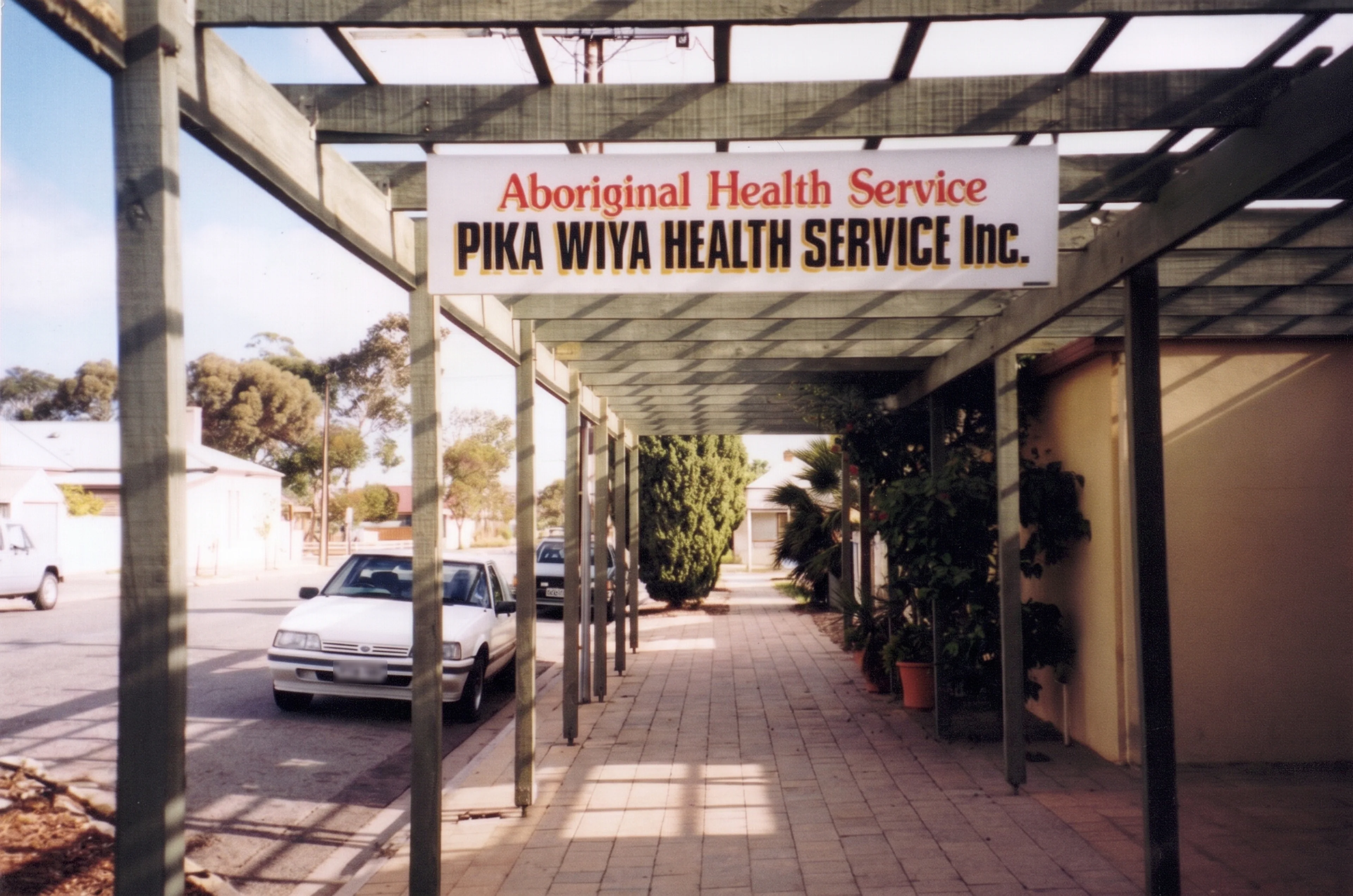
In December 1984, the organisation became formally incorporated as Pika Wiya Health Service Inc.
That was an important milestone, but it was not where the story began.
The care, advocacy, language, cultural knowledge and community work were already there.
The organisation grew from what Aboriginal people had already built.
Pika Wiya — No Sickness
The name Pika Wiya comes from the Pitjantjatjara language and has long been understood as meaning “No Sickness” pika meaning sickness and wiya meaning no.
The name reflects the purpose at the heart of the service: supporting Aboriginal people to stay well and providing health care connected to community, culture and people.
Pika Wiya Today
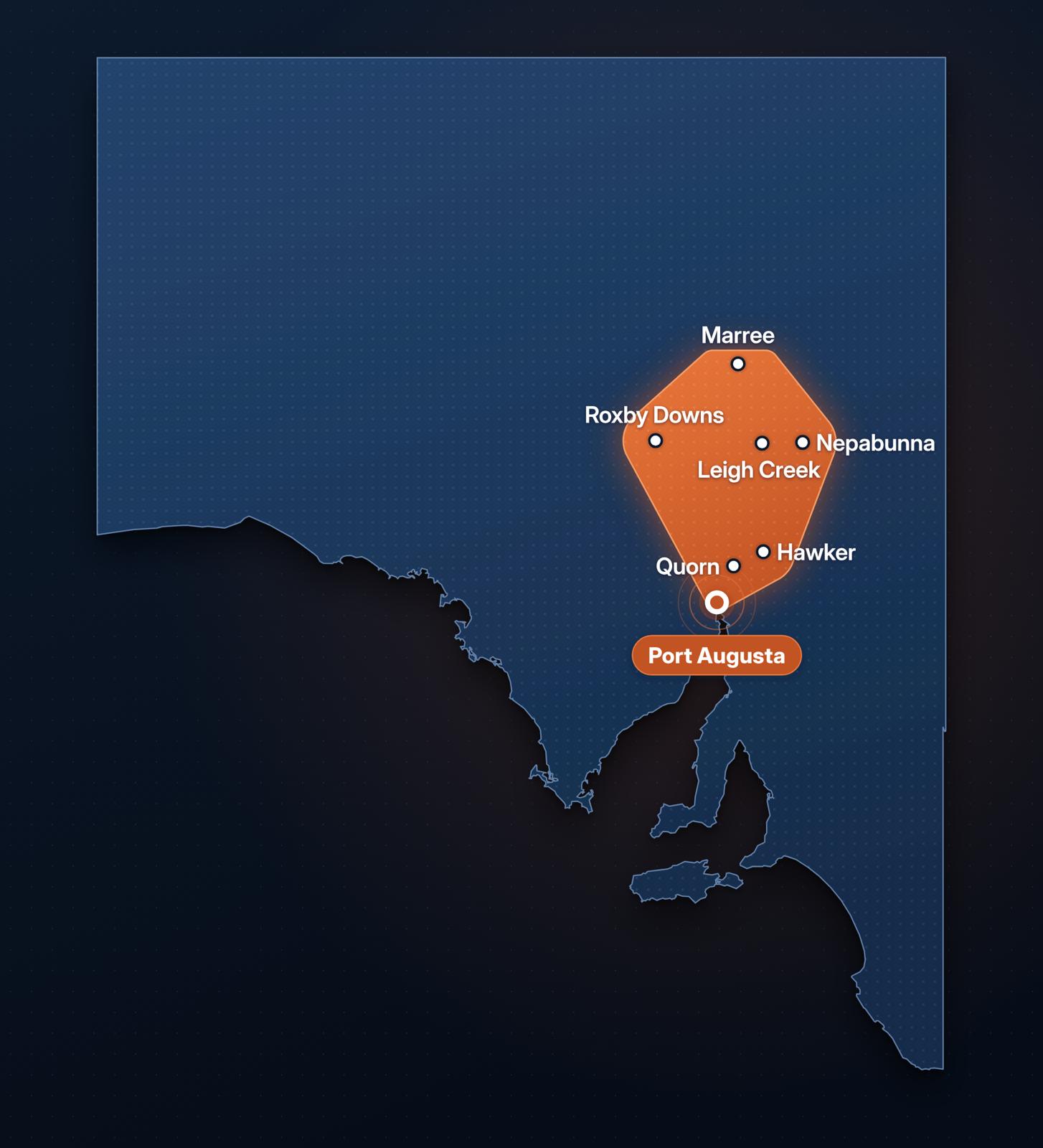
From its foundations in Port Augusta and Davenport Community, Pika Wiya has grown into an Aboriginal Community Controlled Health Service with a strong regional presence.
Today, services are provided through Port Augusta, Davenport Community, Copley and Nepabunna, with Pika Wiya also supporting Aboriginal people from across the wider northern South Australian region.
The service has grown, but its story remains grounded in the strength of Aboriginal people, families and community.
Our Leadership
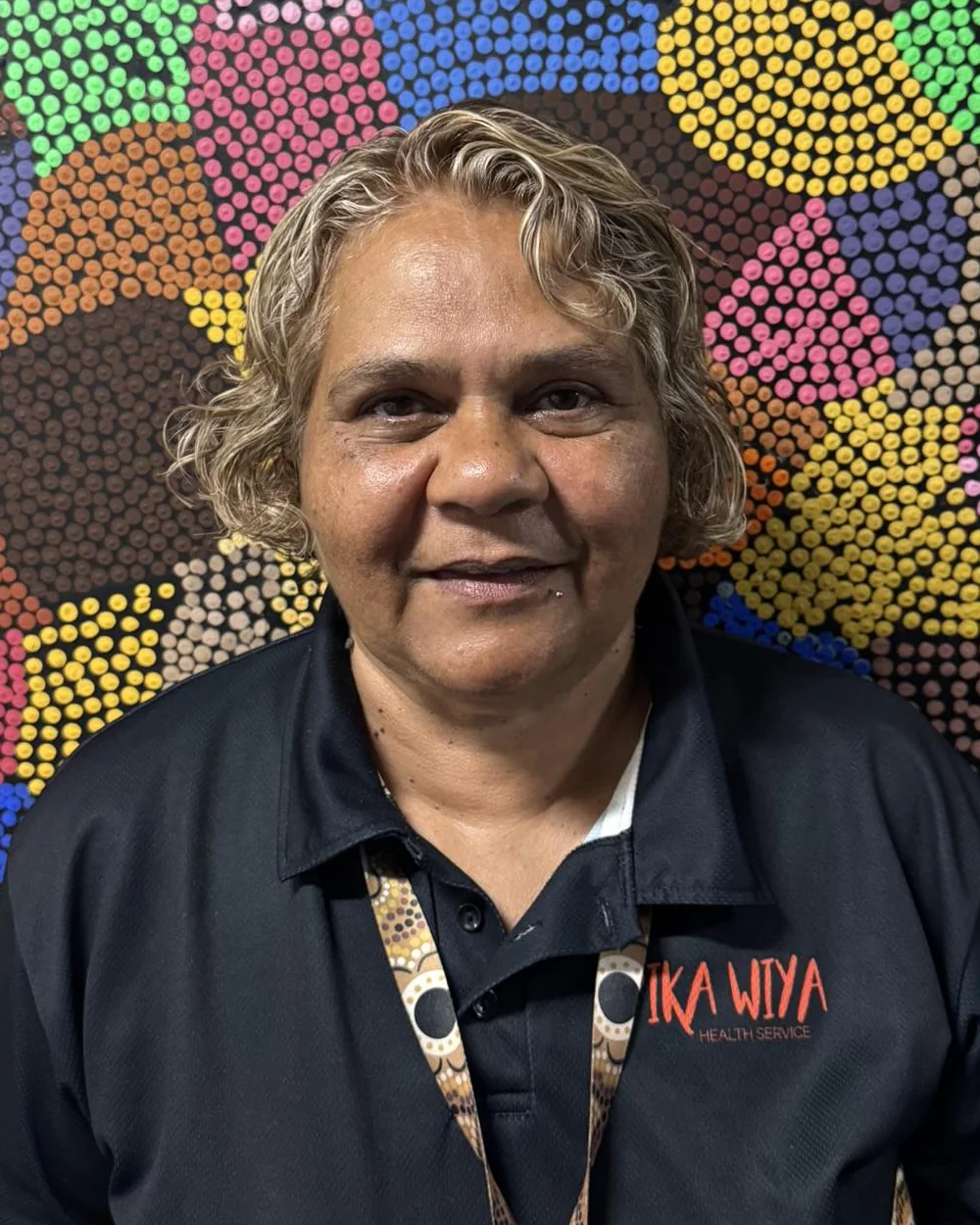
Rachael Schmerl
Chief Executive Officer
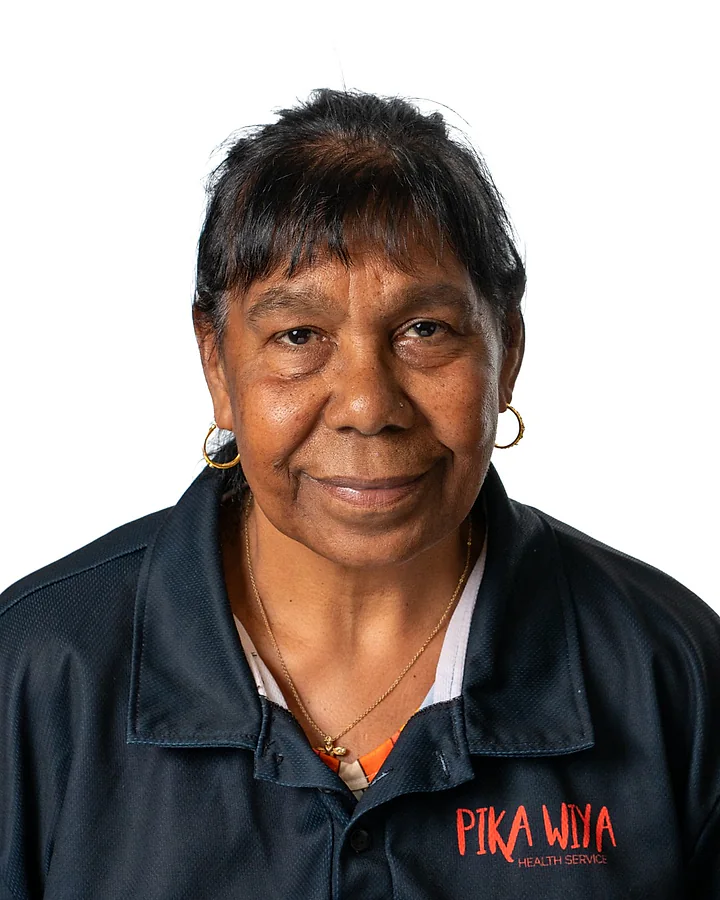
Lynette Allen
Director
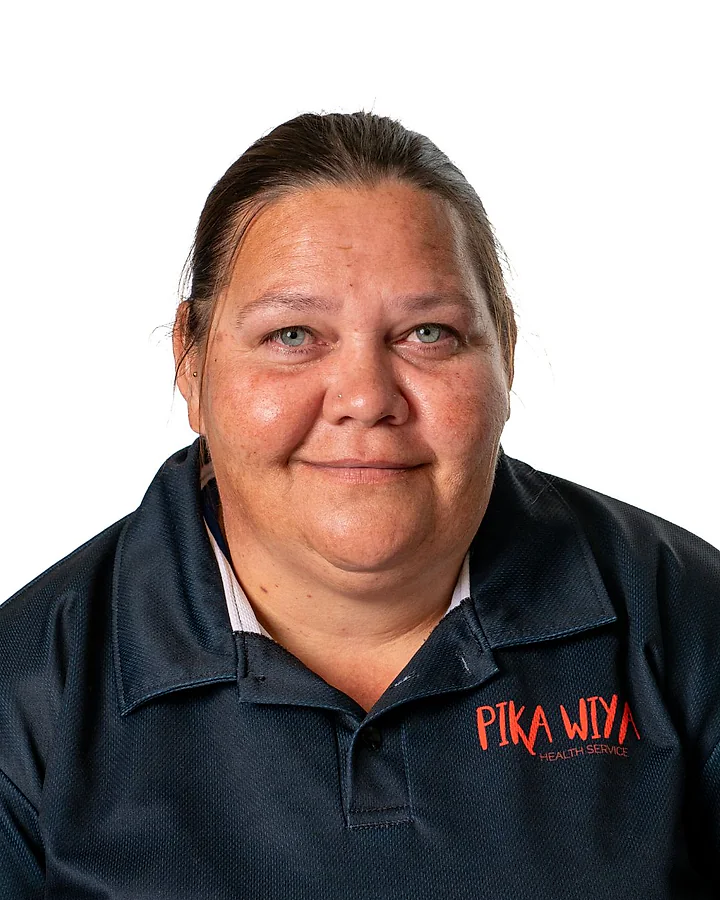
Jacinda Amos
Director
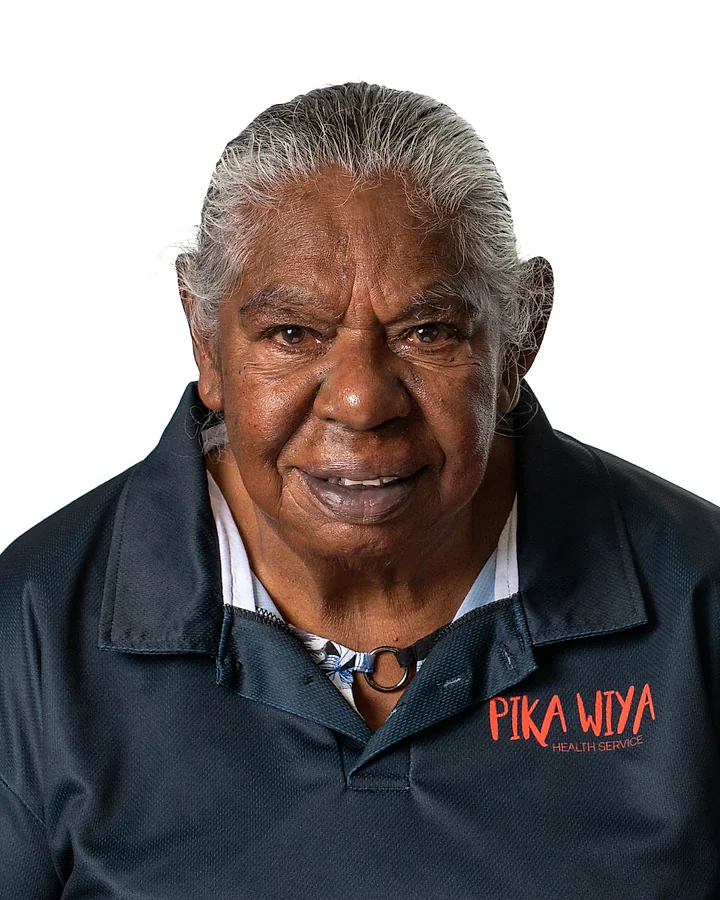
Rosslyn Coulthard
Director
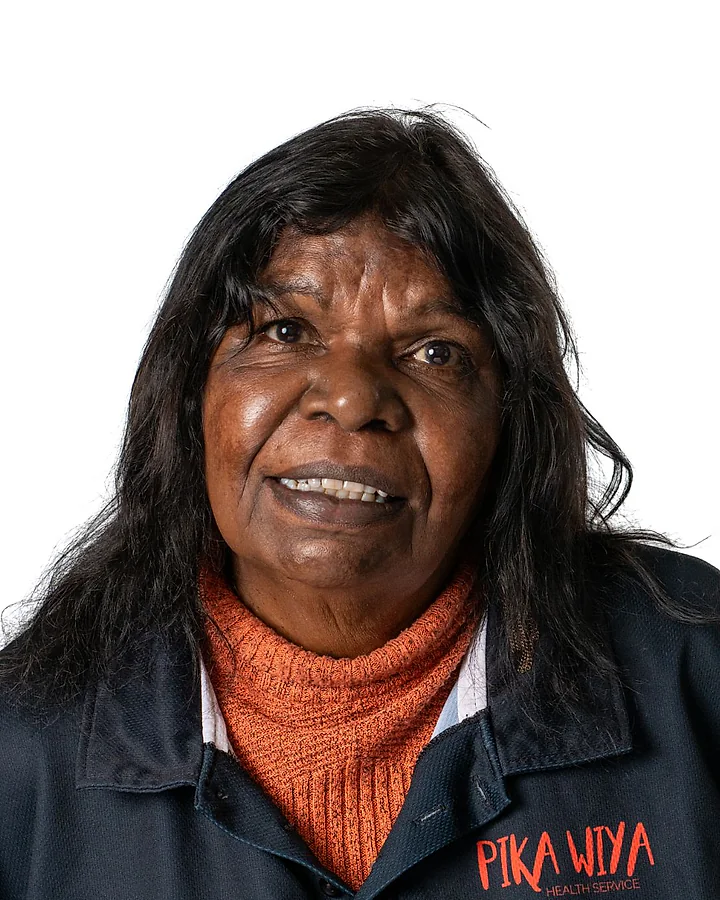
Maxine Jackson
Director
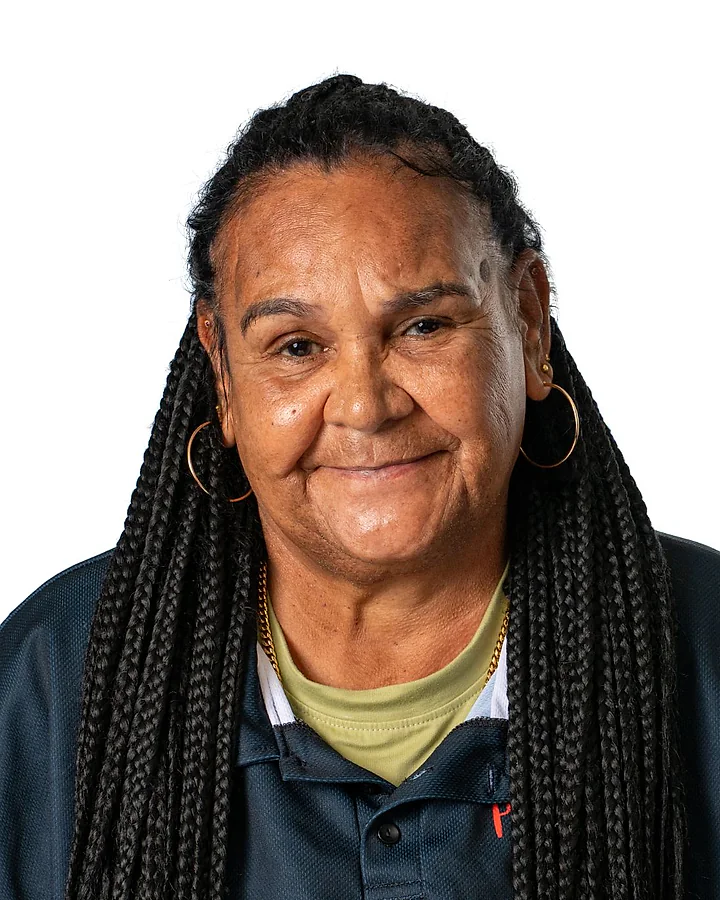
Tracy Reid
Director
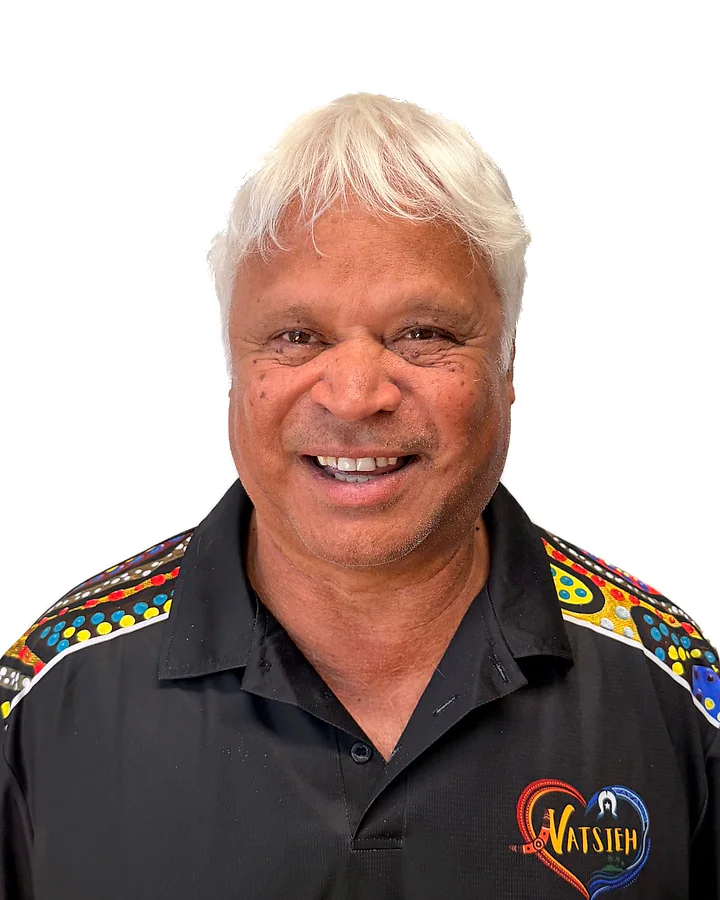
Philip Graham
Director
Honouring Those Who Shaped Pika Wiya
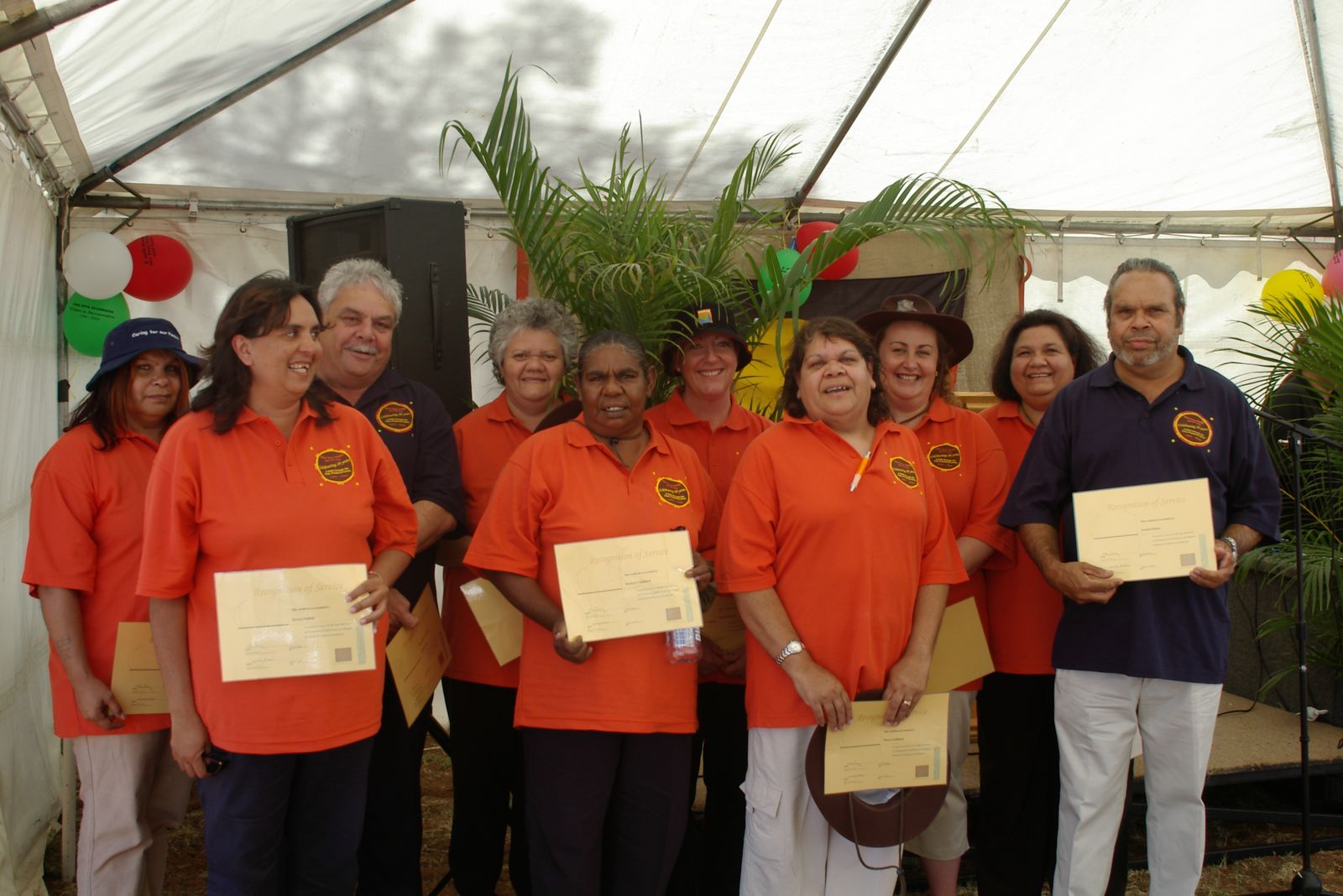
Pika Wiya honours the Aboriginal women and men whose strength, cultural knowledge, determination and commitment to community helped establish and shape the health service we know today.
Their contributions went far beyond the development of a health service. They stood up for their people, advocated for better access to health care, supported families through difficult times and worked to ensure Aboriginal people received care that respected their culture, language and community.
Some were community leaders and advocates, while others were nurses, Aboriginal Health Workers, language speakers and community members who worked directly with families. Each brought their own knowledge, skills and experiences, playing an important role in Pika Wiya's development.
We also thank the doctors who worked with the service and cared for community, and acknowledge the many people who contributed behind the scenes, whose names and stories may not have been recorded but whose efforts were equally important.
Their legacy lives on through the generations of Aboriginal Health Workers, health professionals and community members who continue their commitment to caring for Aboriginal people.
Pika Wiya was built on the strength of its people, and their contributions will always remain part of its history.
The People Came First
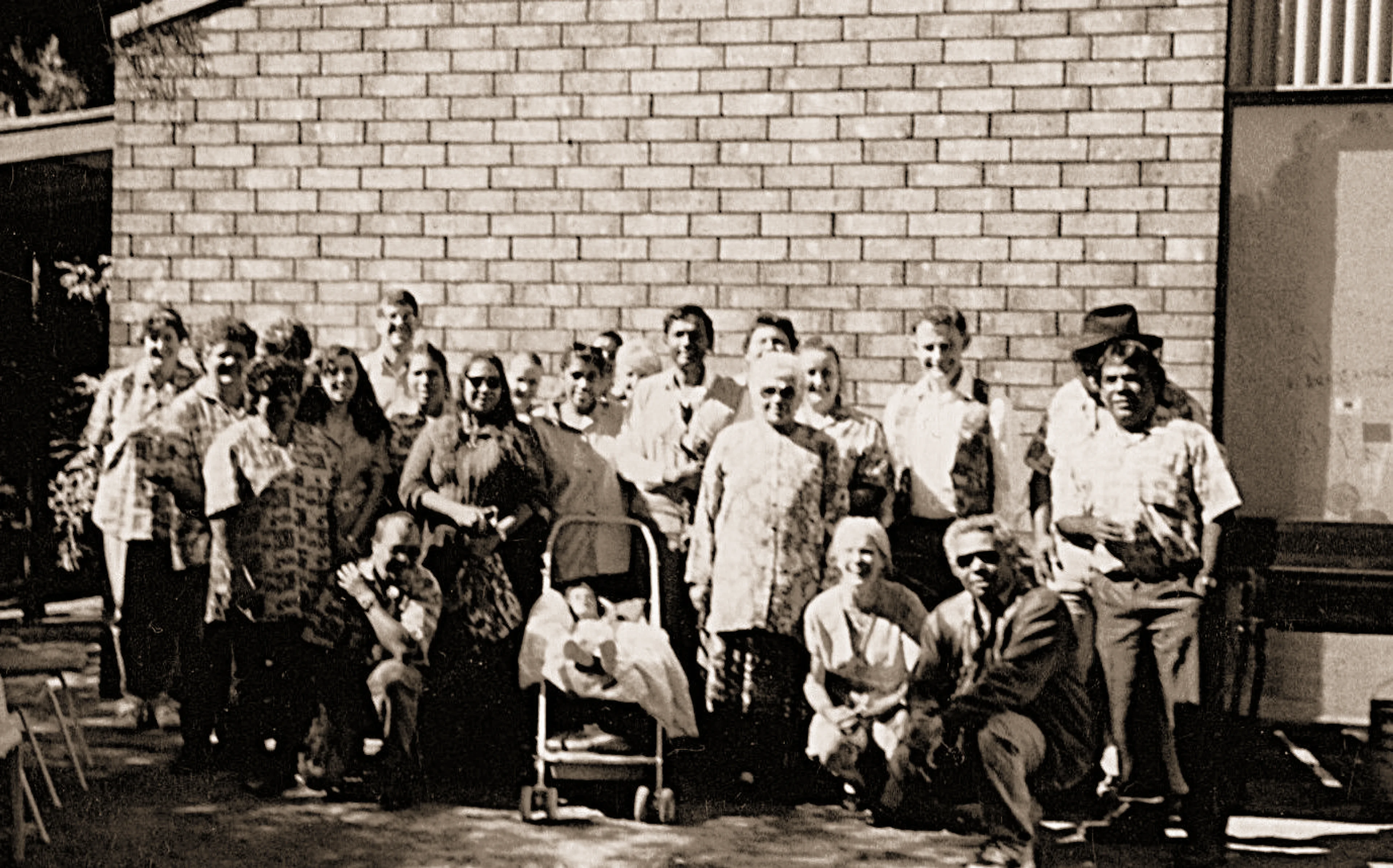
Long before Pika Wiya became an established health service, Aboriginal people were already caring for their families and communities.
As Pika Wiya developed, that responsibility continued through the work of Aboriginal Health Workers, community leaders and families who worked together to improve access to health care for their people.
From its early beginnings at Davenport Community, Pika Wiya has grown, but its purpose remains connected to the people and communities who shaped it.
The people came first.
The buildings came later.
The organisation followed.
Their legacy continues through Pika Wiya's commitment to Aboriginal health, culture and community today.
Our Funders

AHCSA

Department of Health
Eyre and Far North Local Health Network
Flinders and Upper North Local Health Network
NACCHO

NIAA

SA Health

SAHMRI

RDWA

Adelaide University Rural Health